


Entrevistamos a David Triana & Rakim Under
Amistad, comunidad y música sin forzar
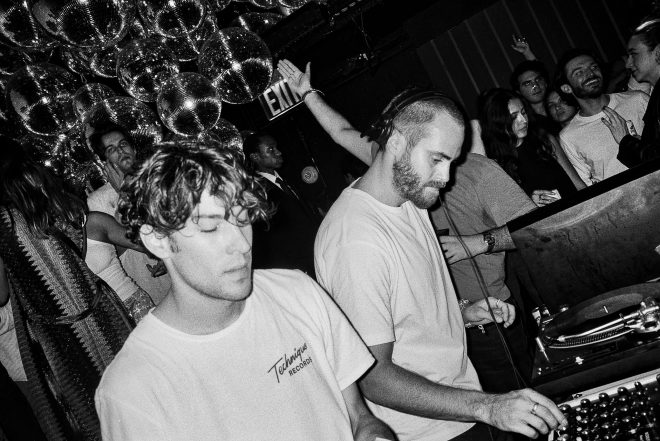
Más que en el estudio, esta colaboración nació mucho antes de que existiera la idea de sacar música juntos. En el caso de David y Rakim, todo comenzó entre fiestas en casas de amigos, sesiones compartidas, conversaciones sobre música y horas alrededor de una MPC. Lo que inicialmente era una afinidad natural terminó convirtiéndose en una amistad y en un intercambio creativo que lleva años desarrollándose.
Ahora, después de colaborar detrás de escena en sus respectivos proyectos, compartir cabina y construir espacios propios alrededor de la música, ambos preparan finalmente su primer lanzamiento oficial como dúo. Un proyecto gestado durante los últimos tres años y que refleja una manera de trabajar basada no en perseguir resultados inmediatos pero sí en construir un lenguaje musical común.
En un año que también los ha llevado por pistas de Bangkok, Detroit, Nueva York, Zanzíbar o Líbano, hablamos con ellos sobre su proceso creativo, la importancia de crear comunidad, el crecimiento global de la música de baile, el delicado equilibrio entre las giras y el estudio y por qué, incluso en una industria cada vez más acelerada, seguir la curiosidad continúa siendo una de las mejores brújulas posibles.
[ENG VERSION BELLOW]
¿Cómo os conocisteis y cómo describiríais vuestra dinámica creativa trabajando juntos en comparación con vuestros proyectos en solitario?
David: Nos conocimos en unas fiestas que un amigo organizaba regularmente en su casa. A los dos nos interesaba mucha de la misma música. Recuerdo a Rakim enseñándome algunas de sus primeras demos hechas con la MPC y conecté muchísimo con ellas. Le dije: “Tío, tienes que sacar esto, ¡está genial!”. A partir de ahí empezamos a pasar más tiempo juntos, a pinchar y hacer música, y todo fue creciendo de manera bastante natural.
La dinámica es bastante diferente, supongo. Cuando estoy solo puedo entretenerme con cualquier tipo de idea, mientras que cuando estamos juntos intentamos agarrarnos a un concepto y explorar específicamente eso. A veces simplemente improvisamos y experimentamos, pero siento que cuando trabajamos juntos nos gusta establecer un determinado mood y meternos de lleno en él.
Rakim: Coincido con lo que dice David. Pasábamos mucho tiempo en casa de nuestro amigo Chawki. Nos obsesionábamos bastante con la MPC y recuerdo enseñarle mis temas; su reacción me animó muchísimo. Hizo que empezara a tomármelo más en serio porque, por aquel entonces, prácticamente no había enseñado mi música a nadie, mientras que David ya llevaba un sello y había publicado música. Poco a poco empezamos a pinchar juntos en esas fiestas y finalmente eso terminó creciendo hasta convertirse en eventos en distintos espacios de Londres.
Normalmente me gusta seleccionar una determinada paleta de sonidos e intentar mantenerme dentro de ella mientras trabajo en un tema. Cuando estamos juntos hacemos algo parecido: intentamos construir un paisaje sonoro que nos transporte hacia un universo concreto y seguimos desarrollándolo desde ahí. A veces el proceso es más lento porque primero te concentras en encontrar los sonidos y después compones con ellos, pero siento que, casi siempre, después de una sola sesión el resultado está muy cerca de quedar terminado.
Cuando trabajo solo también puedo inspirarme en una voz, algún elemento rítmico que haya escuchado en algún sitio o simplemente algo que tenga dando vueltas en mi cabeza en ese momento, y empezar una idea desde ahí.
¿Cuál es la historia detrás de vuestro lanzamiento más reciente y cómo ha sido el proceso de producción?
David & Rakim: Actualmente estamos trabajando en nuestro primer lanzamiento oficial juntos, algo que llevábamos muchísimo tiempo queriendo hacer. Incluso antes de este proyecto siempre habíamos colaborado detrás de escena, ya fuera mezclando, intercambiando feedback o ayudándonos mutuamente a dar forma a nuestra música.
El proceso ha sido muy orgánico. Hay muchísimo intercambio de ideas, dejamos reposar los temas durante un tiempo, volvemos a ellos con los oídos frescos e intentamos asegurarnos de que la música se sienta honesta en lugar de forzada. Se ha construido sobre años de amistad y confianza mutua, y eso hace que todo el proceso resulte muy natural.
¿Cómo ha evolucionado vuestro sonido y qué influencias lo han ido moldeando?
David & Rakim: Nuestro sonido está evolucionando constantemente. Siempre estamos descubriendo música nueva y compartiéndola entre nosotros, así que existe un intercambio continuo de ideas e inspiración.
Pero, más que nada, está moldeado por la propia vida: nuestras experiencias, las fiestas en las que pinchamos, las personas que conocemos, las relaciones que construimos e incluso los sueños que perseguimos. Cada viaje y cada actuación deja algo detrás que, tarde o temprano, termina encontrando su lugar dentro de nuestra música.
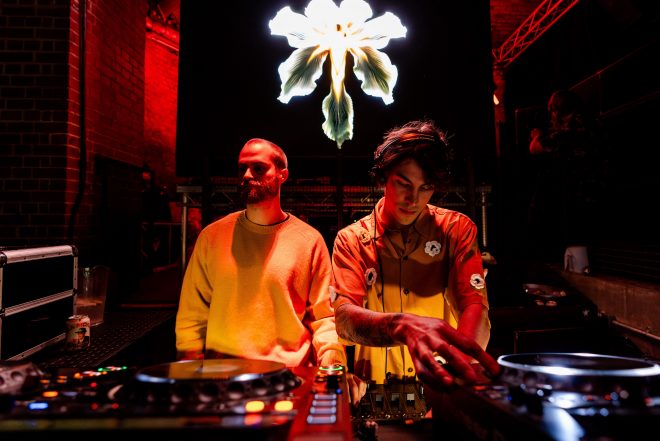
Habéis tocado por todo el mundo este año. ¿Cuáles han sido vuestros conciertos, públicos o momentos favoritos durante las giras?
David: Este año tuve la oportunidad de visitar Tailandia por primera vez. Hicimos un showcase de Karnak on Acid en Bangkok y, para mí, una de las cosas más fascinantes de ser un artista que está de gira es poder descubrir nuevos lugares y experimentar culturas diferentes. Tailandia me pareció realmente mágica: es un lugar tremendamente inspirador, con una atmósfera vibrante y gente increíblemente cálida. Son experiencias que se quedan contigo.
También tuve la oportunidad de ir a Detroit durante la semana de Movement y pinchar en Lincoln Factory. Fue increíble conocer a tanta gente de la ciudad y experimentar de primera mano esa energía tan particular. Para alguien que ama la música de baile, visitar Detroit siempre tiene un significado especial.
Y, por supuesto, Jigit en Nueva York es uno de los momentos destacados de cada año. Siempre es una oportunidad para reencontrarnos con amigos y pasar tiempo escuchando a algunos de nuestros artistas favoritos haciendo sets únicos que quizá no harían en ningún otro lugar.
Rakim: Sin duda, Tailandia fue uno de los grandes momentos. No había vuelto en once años y aquel primer viaje me cambió. Regresar por segunda vez fue precioso. Casi parecía que lo estuviera experimentando nuevamente por primera vez, pero encontrándome en un momento completamente diferente de mi vida y haciendo lo que más nos gusta junto a mis colegas de la música.
Conocer a la gente que está detrás del movimiento musical local también fue increíble. Hicimos muchos amigos nuevos y pudimos conocer Tailandia a través de ellos, lo que hizo que la experiencia fuera todavía más especial.
Nunca olvidaré lo emocionado que estaba David después de nuestra primera sesión de Muay Thai. Me dijo algo como: “Bro, esto es todo lo que necesitamos. Nos mudamos aquí, montamos un estudio, entrenamos Muay Thai por la mañana, comemos la mejor comida durante el día y hacemos música por la noche”.
Zanzíbar para Tribes Gathering también fue precioso. Y el fin de semana de Jigit siempre es uno de los momentos destacados del año; se siente como estar en casa. La curaduría es increíble, tanto musical como visualmente.
Cada vez que pincho en Líbano, además, la energía de la gente es increíble. Probablemente sea mi público favorito, aunque quizá no sea del todo imparcial. Están completamente entregados, tienen una mentalidad musical muy abierta y realmente les gusta bailar.
¿Cómo encontráis el equilibrio entre las giras y manteneros creativos en el estudio?
David: La única manera de encontrar ese equilibrio es presentarte cada día frente al lienzo en blanco y crear de una manera u otra. Para mí se trata de mantenerme fiel al oficio que más me inspira: escribir, crear y explorar música.
Buscar y descubrir nuevos sonidos es una parte fundamental de llenar tu cabeza de posibilidades, pero el objetivo final siempre es crear algo nuevo.
Cuando hablamos de encontrar ese equilibrio, realmente se trata de aparecer cada día. Algunos días son mejores que otros y habrá ocasiones en las que no hagas absolutamente nada que te resulte inspirador. Pero simplemente volver al estudio y mantener viva esa práctica es lo que, tarde o temprano, termina dando grandes resultados.
También creo que es importante seguir aprendiendo constantemente, ya sea tocando con otros músicos, leyendo, aprendiendo una canción nueva o explorando algo que nunca hayas hecho antes. Se trata de introducir continuamente información nueva en tu cabeza porque, tarde o temprano, todo eso encuentra la manera de regresar a tu música.
Rakim: Es complicado porque, personalmente, prefiero meterme de lleno en sesiones de dos o tres días en las que puedo estar completamente absorbido por el proceso y dedicarme únicamente a crear. A veces también empiezo alguna idea en el portátil mientras estoy de gira y después la llevo al estudio para terminarla cuando vuelvo a casa.
Como decía David, simplemente tienes que intentar aparecer tantas veces como puedas. Incluso cuando estás cansado o no te sientes especialmente creativo, puedes programar unas baterías o grabar una idea melódica y dejarlo ahí por ese día. De esa manera, la próxima vez que vuelvas ya tienes algo desde donde empezar a construir.
¿Cuál es vuestra visión sobre el momento actual de la música de baile y hacia dónde creéis que se dirige la escena?
David: Creo que una de las cosas más emocionantes de la música de baile es que siempre aparece una nueva generación de colectivos, sellos, promotores y artistas empujando las cosas hacia delante. Constantemente cuestionan lo que vino antes y encuentran nuevas maneras de reunir a la gente alrededor de la música.
Al mismo tiempo, ves cómo los festivales y las fiestas evolucionan en distintas direcciones. Algunos crecen mientras mejoran la experiencia general y otros se desplazan de manera natural hacia un espacio más comercial. Es interesante observar cómo las diferentes partes de la escena se desarrollan a su manera.
Es difícil saber hacia dónde se dirige todo, pero me gusta mantenerme optimista. A pesar del momento en el que vivimos, realmente veo muchas señales positivas en la humanidad y creo que el progreso siempre es posible. Todavía queda muchísimo trabajo por hacer: construir más respeto entre nosotros, luchar por una mayor igualdad y crear comunidades más fuertes. Espero que esa sea la dirección hacia la que nos estamos moviendo, tanto dentro de la música de baile como fuera de ella.
Rakim: Viendo cómo está el mundo, no me sorprende que cada vez más personas sientan la necesidad de soltarse y bailar. Algunos de los artistas comerciales más grandes, que normalmente están asociados a otros géneros, parecen conectar cada vez más con la música de baile, el house y el techno.
Ese cambio está generando un efecto en cascada que también alcanza a los proyectos más underground y menos conocidos dentro de la música electrónica. Cada vez hay más ojos puestos sobre esta música y, poco a poco, gente que antes no tenía ni idea de que existía este universo está empezando a entrar en él.
Circoloco también está teniendo un gran impacto en ese sentido y los dos estamos tremendamente emocionados de formar parte de ello de alguna manera y poder pinchar en esas fiestas. Es precioso ver cómo lo más “conocido” se mezcla con lo más “underground”. Realmente es un lugar donde puedes experimentar ambos extremos del espectro compartiendo una misma pista de baile.
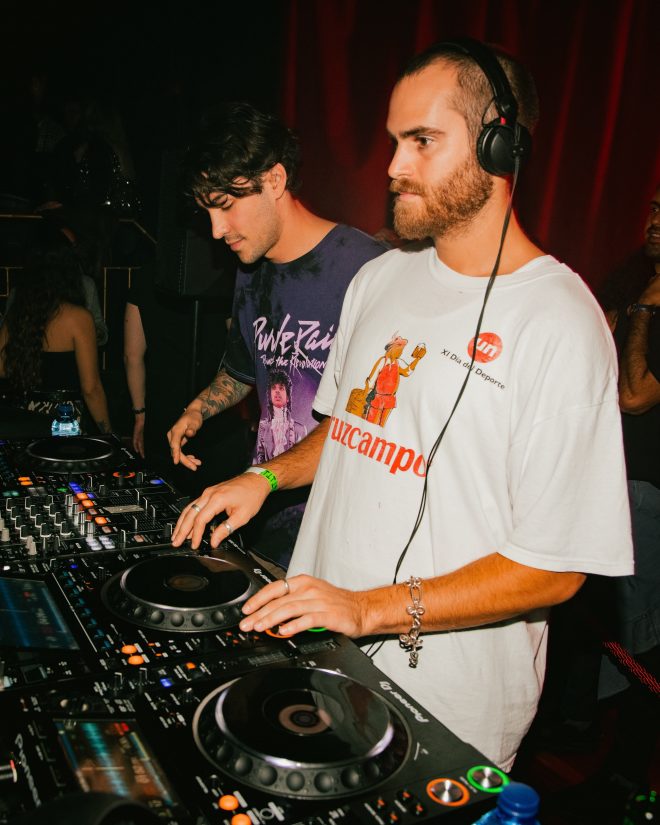
¿Hay algún proyecto, colaboración o lanzamiento próximo que podáis adelantarnos?
David & Rakim: Como comentábamos, actualmente estamos trabajando en nuestro primer lanzamiento como dúo. Llevamos tres años grabando música para este proyecto y hemos construido un conjunto de temas que iremos publicando poco a poco.
Grabamos una gran parte en Devon Analogue Studio, que para nosotros es uno de los lugares más inspiradores para crear música. Estar allí realmente nos empujó a explorar algunas ideas bastante particulares y tenemos muchísimas ganas de que la gente pueda escuchar todo en lo que hemos estado trabajando.
David: Rakim también tiene un arsenal absolutamente increíble de música inédita, así que hay muchísimo que esperar de él. Además, tengo algunas colaboraciones muy interesantes en camino con Krol y Aline Umber que creo que van a ser bastante especiales. Hemos probado algunos de esos temas este verano y la gente está conectando muchísimo con ellos.
¿Qué consejo daríais a los artistas emergentes que intentan hacerse un hueco en la escena?
David: Mi consejo sería pensar siempre qué puedes aportar tú a esta comunidad para hacerla mejor, no solamente creando oportunidades para ti mismo, sino también para los demás. Siempre necesitamos mejores fiestas, mejores espacios para la música y mejores conversaciones alrededor de nuestra industria.
Creo que es importante no acercarse a todo esto pensando que necesitas ser “descubierto” o que, de alguna manera, eres más especial que el resto. Estamos todos aquí para crear juntos y generar oportunidades los unos para los otros.
Esa fue precisamente la razón por la que empezamos nuestra propia fiesta. En lugar de esperar a que alguien nos invitara, creamos un espacio donde pudiéramos compartir la música que nos gustaba, invitar a artistas que admirábamos y celebrarlo junto a nuestros amigos. Ese tipo de comunidades son las que mantienen viva la escena.
Al mismo tiempo, tienes que mantenerte centrado en aquello que realmente te importa. Si tu pasión es hacer discos, dedícate a ese oficio. Colabora con otras personas, sigue aprendiendo y no te desanimes si las cosas no suceden inmediatamente. Construirte un lugar dentro de esta escena requiere tiempo, paciencia y muchísimo trabajo.
Y, sobre todo, mantente fiel a ti mismo y sé amable con las personas que tienes alrededor y que también están intentando encontrar su propio camino.
Rakim: Mantente fiel a ti mismo. Muévete desde la empatía. Explora, explora y sigue explorando. Sigue tu curiosidad e intenta conectar con las personas, incluso cuando aparentemente no tengáis demasiado en común.
Haz que tu música se escuche. Cuestionarte a ti mismo no es necesariamente algo malo; significa que todavía tienes hambre de mejorar. Simplemente no permitas que eso te paralice.
No dejes que tus propias dudas te alejen del objetivo final, que, al fin y al cabo, no es otro que expresarte y crear.
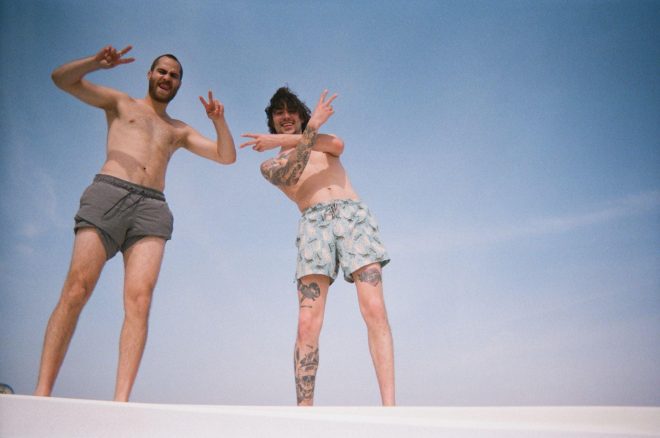
How did you first link up and what’s your creative dynamic like working together vs. solo?
David: We first met at a friend’s house party that would happen regularly. We were both into a lot of the same music. I remember Rakim playing some of his early MPC demos and I was really vibing to them. I told him, “Hey, you really need to put this out, it’s great!” From there we started hanging out, playing and making music together, and everything grew naturally.
The dynamic is quite different, I guess. When I’m alone I can entertain any kind of idea, whereas when we’re together we try to latch onto a concept and explore that one thing. Sometimes we’re just jamming and experimenting, but I feel that when we’re together we like to set a mood and really dive into it.
Rakim: Echoing what David said. We’d spend a lot of time at our friend Chawki’s place. We geeked out over the MPC, and I remember showing him my tunes — his reaction gave me a lot of encouragement. It made me start taking it more seriously because, at the time, I had barely shown my music to anyone, and David was already running a label and had released music. We all started DJing more together at the house parties and slowly grew that into running events at venues around London.
I generally like to curate a palette of sounds and try to stick with those while working on a tune. When we’re together, we do a bit of that too and try to build a soundscape that brings us into a certain sonic universe, then just keep building from there. It’s sometimes slower because you focus on the sounds first and then write with them, but I feel like the end result is almost always close to the finish line after just one session.
When I’m alone, I can also get inspired by a vocal or some kind of rhythmic element I’ve heard somewhere or that's in my head at the time and kick off an idea from there.
What’s the story behind your most recent release and the production process?
David & Rakim: We’re currently working on our first official release together, which has been something we’ve wanted to do for a long time. Even before this project, we’d always been collaborating behind the scenes, whether it was mixing, giving feedback, or helping shape each other’s music.
The process has been very organic. There’s a lot of sharing ideas back and forth, letting tracks sit for a while, coming back with fresh ears, and making sure the music feels honest rather than forced. It’s been built through years of friendship and mutual trust, which makes the whole process feel very natural.
How has your sound evolved and what influences shape it?
David & Rakim: Our sound is constantly evolving. We’re always discovering new music and sharing it with each other, so there’s a constant exchange of ideas and inspiration.
More than anything, it’s shaped by life itself — our experiences, the parties we play, the people we meet, the relationships we build, and even the dreams we’re chasing. Every trip and every gig leaves something behind that eventually finds its way into the music.
Highlights from playing globally this year — favorite gigs, crowds, or moments on the road
David: This year I had the opportunity to visit Thailand for the first time. We played a Karnak on Acid showcase in Bangkok, and for me, one of the most fascinating parts of being a touring artist is getting to discover new places and experience different cultures. Thailand felt truly magical — it’s such an inspiring place, with a vibrant atmosphere and incredibly warm people. Experiences like that always stay with you.
I also had the chance to go to Detroit during Movement week and play at Lincoln Factory. It was amazing to meet so many great people from the city and experience its unique energy firsthand. As someone who loves dance music, visiting Detroit always carries a special meaning.
And needless to say, Jigit in New York City is a highlight every year. It’s always a chance to reunite with friends and spend time listening to some of our favorite artists playing unique sets that they might not play elsewhere.
Rakim: For sure, Thailand was a highlight. I hadn’t been for 11 years, and that first trip changed me. Going back the second time was beautiful. It almost felt like I was experiencing it for the first time again, but at a completely different stage of my life, doing what we love most with my musical homies. Meeting the people behind the local music movement was also so cool. We made many new friends and got to experience Thailand through them, which made it even more special.
I’ll never forget how excited David got after our first Muay Thai session. He was like, “Bro, this is all we need. We move here, get a studio, train Muay Thai in the morning, eat the best food during the day and make music in the evening.”
Zanzibar for Tribes Gathering was beautiful too. Jigit weekend is always a highlight, it feels like home. It's curated beautifully, both musically and visually.
Every time I play in Lebanon, the people are incredibly energising. Probably my favourite crowd, although I may be a bit biased. They’re just down for it, musically open minded, and they really like to dance.
How do you balance touring with staying creative in the studio?
David: The only way to balance it is by showing up to the blank canvas and creating every day in one way or another. For me, it’s about staying true to the craft that inspires me the most, which is writing, creating, and exploring music.
Digging and discovering new sounds is an integral part of filling your head with possibilities, but the ultimate goal is always to create something new.
When it comes to finding that balance, it’s really about showing up every day. Some days are better than others, and sometimes you won’t make anything that feels inspiring. But simply returning to the studio and keeping that practice alive is what eventually leads to great results.
I also think it’s important to keep learning all the time, whether that’s playing with other musicians, reading, learning a new song, or exploring something you’ve never done before. It’s about constantly putting new information into your mind, because sooner or later it finds its way back into the music.
Rakim: It’s tricky because, personally, I prefer getting stuck into a 2 to 3 day session where I’m fully consumed and just creating. Sometimes I’ll also start an idea on my laptop while on the road and then bring it into the studio to finish when back home.
As David mentioned, you should just try to show up as much as you can. Even when you’re tired or not feeling particularly creative, you can lay down some drums or a melodic idea and then call it a day. That way, the next time you come back to it, you’ve already got something to build on.
Your take on where dance music and the scene are heading right now
David: I think one of the most exciting things about dance music is that there’s always a new generation of collectives, labels, promoters, and artists pushing things forward. They keep challenging what came before and finding new ways to bring people together around music.
At the same time, you see festivals and parties evolve in different directions. Some grow bigger while improving the overall experience, while others naturally move towards a more commercial space. It’s interesting to watch how different parts of the scene develop in their own way.
Where everything is heading is hard to tell, but I like to stay optimistic. Despite the times we’re living in, I genuinely see a lot of positive signs in humanity, and I think progress is always possible. There’s still a lot of work to do — a lot more respect to build for one another, more equality to fight for, and stronger communities to create. I hope that’s the direction we’re all moving towards, both within dance music and beyond.
Rakim: With the way the world is going, I’m not surprised that more and more people feel the desire to let loose and dance more. Some of the biggest commercial artists, who are normally known for other genres, seem to be resonating more and more with dance music, house, and techno. That shift is having a cascading effect for the more underground and lesser-known acts within the dance music sphere. We’re getting more eyes on the music, and slowly, more people who previously had no clue about this kind of music are getting into it.
Circoloco is having a big effect on this too, and we’re both super gassed to somehow be part of that and be able to play at those parties. It’s a beautiful thing to see the more ‘known’ mixing with the more ‘underground’. It really is a place where people can experience both ends of the spectrum while sharing the same dancefloor.
Any upcoming projects, collaborations, or releases you can tease?
David & Rakim: As we mentioned, we’re currently working on our first release as a duo. We’ve been recording music for this project over the last three years, and we’ve built a batch of songs that will be released over time.
We recorded a big part of it at Devon Analogue Studio, which is one of the most inspiring places for us to create music. Being there really pushed us into exploring some unique ideas, and we’re genuinely excited for people to hear what we’ve been working on.
David: Rakim also has an arsenal of unreleased music that’s absolutely insane, so there’s a lot to look forward to from him as well. On top of that, I have some really exciting collaborations coming up with Krol and Aline Umber, which should be really special. We’ve tested some of these tunes this summer and people are really feeling them.
What advice would you give to up-and-coming artists trying to break through?
David: My advice would be to always think about what you can bring to this community that will make it better — not only by empowering yourself, but by empowering others as well. We always need better parties, better spaces for music, and better conversations around our industry.
I think it’s important not to approach it with the attitude that you need to be discovered or that you’re somehow more special than everyone else. We’re all here to create together and to create opportunities for one another.
That’s the reason we started our own party. Instead of waiting to be invited somewhere, we created a space where we could share the music we loved, invite artists we admired, and celebrate with our friends. Those kinds of communities are what keep the scene alive.
At the same time, stay focused on what matters most to you. If your passion is making records, then dedicate yourself to that craft. Collaborate with other people, keep learning, and don’t get discouraged if things don’t happen straight away. Building a place for yourself in this scene takes time, patience, and a lot of hard work.
Most importantly, stay true to yourself, and be kind to the people around you who are also finding their own path.
Rakim: Stay true to yourself. Lead with empathy. Explore, explore, and explore. Follow your curiosity and try to connect with people, even if they might not share your stripes. Let your music be heard. Questioning yourself isn't a bad thing, it means you're still hungry to improve. Just don't let that freeze you in your tracks. Don't let your own doubts take away from the ultimate goal, which, at the end of the day, is expressing yourself and creating.
